
why in invest in the gambia
Opportunities to foster a prosperous economy
Although The Gambia is currently one of the poorest countries in the world, it has the resources and opportunities to build one of the strongest economies in Africa.
Unlocking The Gambia’s Economic Potential
Along the banks of the Gambia River lies a small nation with enormous potential. While The Gambia is often known for its natural beauty and cultural diversity, its greatest opportunity may lie beneath its soil. With fertile land, a favourable climate, and growing global demand for organic food, the country is uniquely positioned to develop a thriving organic agriculture sector that could transform its economy.
The relatively short distance between The Gambia and Europe reduces transportation time and shipping costs for goods. Agricultural products, in particular, can benefit from this proximity. Fresh fruits, vegetables, and organic products can reach European markets faster, helping maintain quality while making exports more competitive. As demand for sustainably produced food continues to grow in Europe, The Gambia has the potential to become an important supplier.
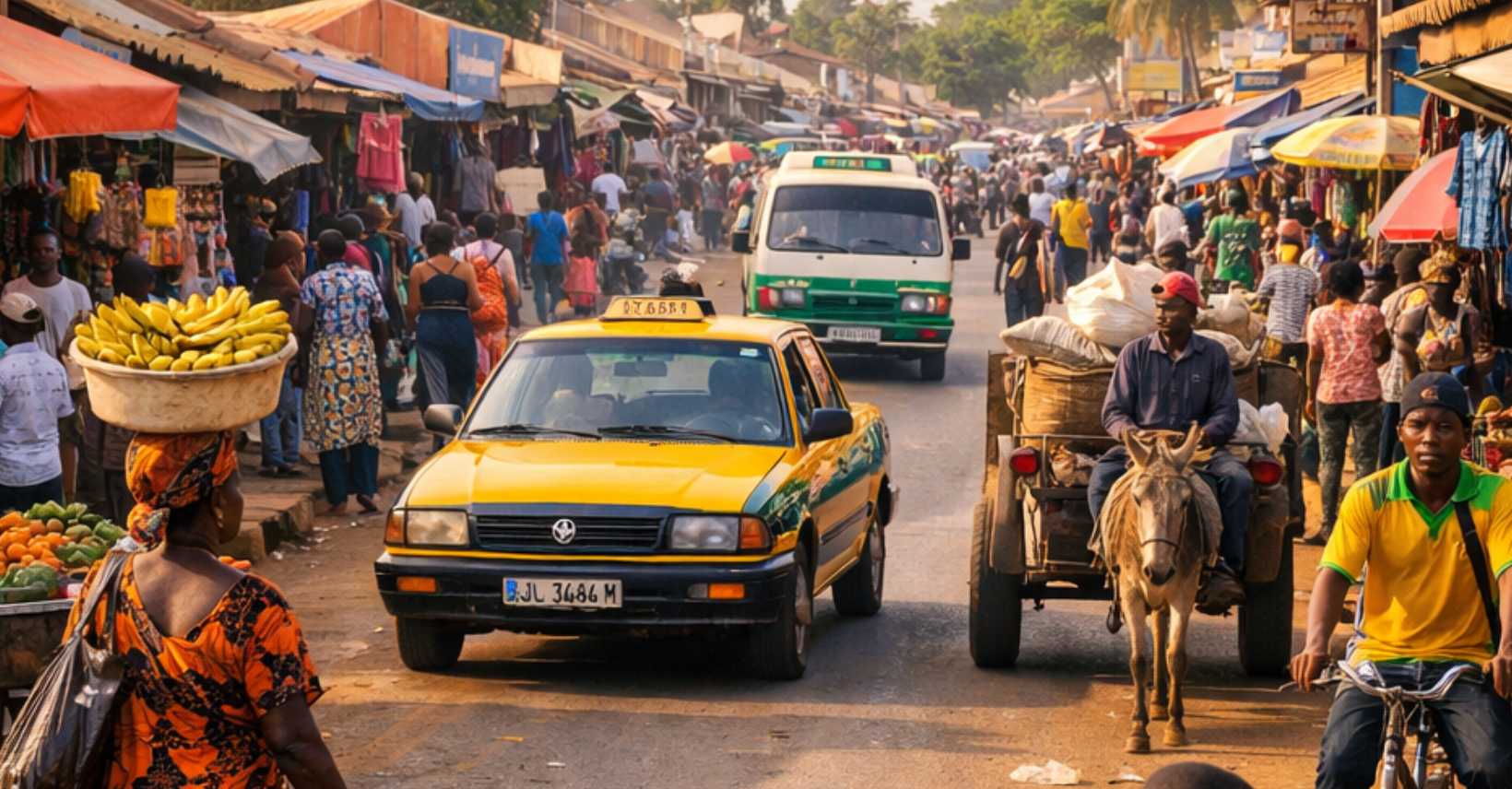
Chances to become a leader in organic agriculture
A trading hub for west Africa
In addition, The Gambia’s location within West Africa enables it to serve as a trading hub for the surrounding region. Goods produced in neighboring countries can pass through Gambian ports before being exported to Europe. This could strengthen the country’s role in regional commerce and logistics.
Overall, The Gambia’s proximity to Europe is a major economic advantage. With investment in infrastructure, agriculture, and logistics, the country could significantly expand its trade relationships and strengthen its economy. By leveraging its strategic location, The Gambia has the opportunity to become an important bridge between African producers and European markets.
The Gambia is uniquely positioned to become a leader in organic agriculture. Much of the country’s farming is already based on traditional practices that rely on minimal chemical inputs. This provides a strong foundation for a transition toward certified organic production without the heavy conversion costs faced by many industrial farming systems.
With the right training, infrastructure, and certification programs, Gambian farmers could access the rapidly growing global market for organic products, particularly in nearby European markets. By positioning itself as a reliable producer of high-quality organic food, The Gambia has the opportunity to strengthen rural livelihoods while building a sustainable agricultural sector.