
How We support the UN DEVELOPMENT GOALS
How we are contributing to a better world
This projecs serves as a powerful tool for achieving several United Nations Sustainable Development Goals. By shifting from extractive farming to regenerative systems like aquaponics, communities can build water security and food sovereignty. This method doesn’t just produce food; it protects the natural resources that future generations will depend on.
Farming is the only sector that can simultaneously provide economic growth (SDG 8), environmental restoration (SDG 15), and public health (SDG 3). When a farm uses a “closed-loop” system, like the aquaponics and rain harvesting methods, it stops being a drain on natural resources. It starts to become a solution.
This project supports the following United Nations Sustainable Development Goals (SDGs):

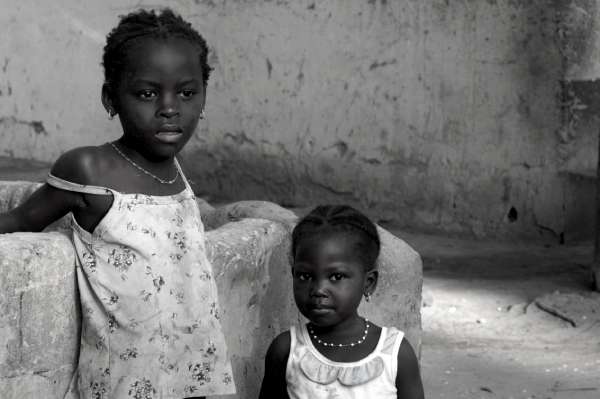
1. No poverty
This project empowers the most vulnerable communities to build a business from the ground up. With a modest investment, farmers can transition to climate-resilient systems that provide a reliable source of fish and vegetables year-round.

2. ZERO HUNGER
Reforming current farming methods will prevent future crop failure caused by drought and climate change. It is, without a doubt, the most effective tool for ensuring food security in developing nations.
3. Good health & Well being
Our innovative farming method is 100% organic, utilizing only natural pest control solutions. We create our own fish food and plant fertilizer. This approach results in hardier, healthier produce that surpasses the quality of commercially grown crops reliant on synthetic pesticides and artificial fertilizers.
4. Quality education
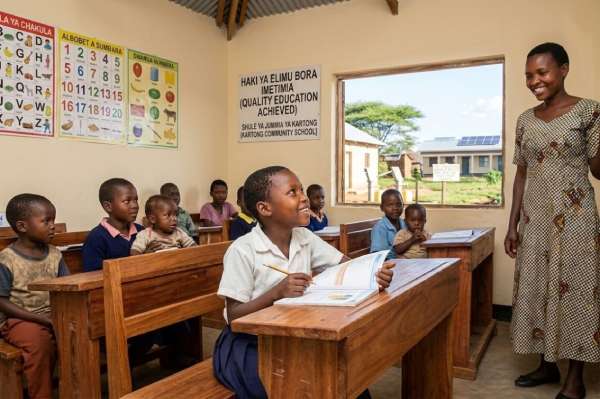
Education plays a big role in our project. We will weekly educate new groups of young people in how to setup their own farm by using these new techniques. We also support them in starting up their businesses.

6. Clean water and sanitation
This new farming method does not use chemicals or fertilizers. It also produces no wastewater because the aquaponics system is a closed-loop system in which the water is continuously recycled. This method of farming results in 100% top quality ground water.

8. Decent work and economic growth
This innovative farming model stimulates diverse employment opportunities by transforming traditional agricultural roles. The project creates specialized functions in SDF Farming, plant and fish nurseries etc. Additionally, it generates growth in logistics, harvesting, and processing, providing a massive boost to the micro-economy of Kartong. Without a doubt the best way to reduce illegal migration.

9. Industry, innovation and infrastructure
We are redefining farming through innovation. Our unique method combines sandponics and aquaponics to maximize yields, while our use of earthbag building provides a robust, climate-proof solution for modern infrastructure.

11. Sustaimable cities & communities
This project represents the pinnacle of sustainable farming. By producing our own fish feed and composting all organic waste, we operate with a minimal environmental footprint. Furthermore, our system is entirely closed-loop, requiring zero chemical additives or synthetic fertilizers.

12. Responsible consumption and production
We’ve built a farm that gives back more than it takes. By producing everything locally, we cut out the need for imports and protect the land from chemicals and fire. Our low-water-use system guarantees pure, healthy food produced with a minimal environmental footprint.

13. Climate Action
Our farming concept is the future of climate resilience. Like our disaster-proof buildings, this system is built to withstand a changing world while staying affordable. We’re proving that sustainable, safe living can be accessible to every community.
15. Life on Land
Beyond supporting people, this system is a win for the planet. Imagine the environmental recovery if we replaced forest burning and chemical spraying with sustainable alternatives. This transition would have a massive, positive impact on global biodiversity and the health of our ecosystems.
ReFarm Africa | Sustainable Farming Innovations
Pioneering Techniques for Climate-change proof farming
Aquaponics
Aquaponics combines aquaculture and plant production into a single system, where fish and plants mutually benefit through improved nutrient cycling and sustainable growth.
Sandponics
Sandponics utilizes sand as a growing medium, offering a cost-effective and efficient solution for arid regions. This new technique reduces water usage while maximizing crop yield.
Resource Efficiency
Our methods prioritize the use of local resources, minimizing waste and reducing dependency on external inputs, making farming more accessible and sustainable.
Community Empowerment
By providing training and resources, we enable communities to establish their own farms, fostering economic growth and self-sufficiency.
Environmental Impact
This new farming method significantly lower the carbon footprint of farming operations, promoting a greener and more sustainable future.
Economic Opportunities
This project creates job opportunities and supports local businesses, helping to build resilient micro-economies in West Africa. We are convinced that this project is the best tool we have to fight illegal migration.
Creating new farmland often requires clearing large areas of forest, either by burning or by cutting down trees. By producing more food on less land, we can help reduce deforestation caused by agricultural expansion. Many very old trees have been cut in the last twenty years. The loss of large trees has a significant impact on local groundwater levels. In almost all parts of the Gambia groundwater levels have become dangerously low.
Over the past two decades, the country has experienced a consistent decline in groundwater levels. Deforestation is a major contributing factor, along with the overuse of water for agricultural irrigation. But also climate-change causes this. Less rain means less water in the well.
It is clear that climate-change is hitting hard right now and it won’t take long before we experience the first failed harvest all through the country. This will result in hunger and more food insecurity which eventually results in more people migrating. Climate refugees.
If we change the current way of farming into our farming method, we can prevent hunger from striking the Gambia in the coming years. This method is the best solution to provide food security and help small communities to develop themselves into farmers that know how to deal with climate-change.
That one idea that could change everything
To change all this we want to introduce our new way of farming into the Gambia based on the principles of aquaponics. It is a closed system in which you can grow fish and plants together. Perfectly suitable for growing food in dry areas. The only problem is that the current aquaponics systems are using expensive filter systems. In our concept we replaced these filters by sand. We developed an easy system that is affordable, climate-change proof and generates lots of food! This method of farming will change the life of people.